Your will isn't done forever: five life events that quietly leave it out of date
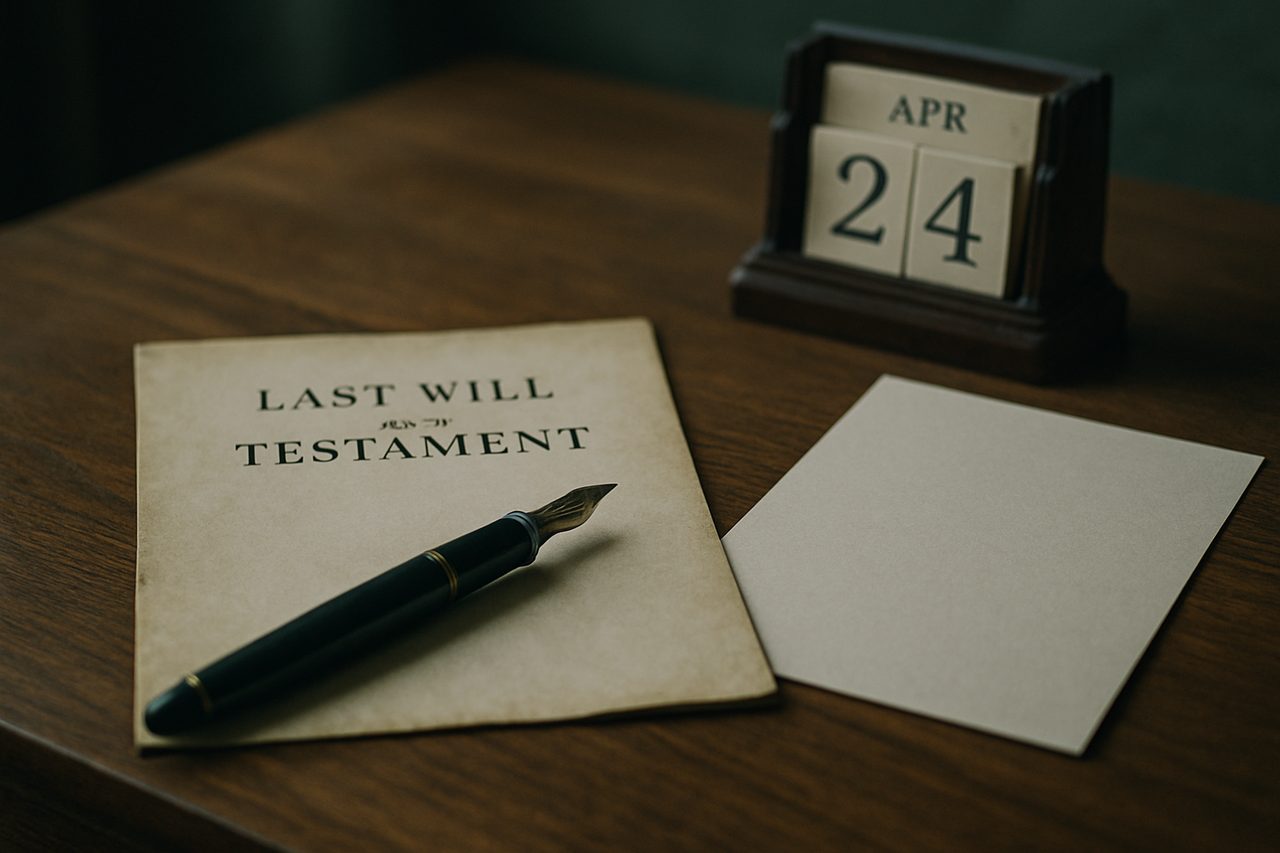
A will is not a one-off transaction. It is a snapshot of what you wanted when you signed it. The world keeps moving after that, and so do you. Five quite ordinary life events can leave a perfectly valid will doing something completely different from what you intended, sometimes leaving it doing nothing at all.
The good news: a will review takes far less time than writing one from scratch, and in many cases it is a short conversation rather than a fresh draft.
1. Marriage automatically revokes your will
In England and Wales, marriage or civil partnership revokes any existing will. From the moment you say 'I do', any earlier will is null and void unless it was made in contemplation of that specific marriage.
This catches more people than it should. A person who wrote a will in their forties, married in their fifties, and never revisited the will is, in legal terms, dying intestate. The intestacy rules then decide who inherits, and the result is often very different from what the original will said.
If you have recently married, or are about to, this is the single most important reason to write or update a will. A short conversation with a will writer or solicitor before or shortly after the wedding can prevent the gap.
2. A new child or grandchild not mentioned in your will
Wills written before a child or grandchild was born do not automatically include them. Some wills are drafted broadly enough ('to such of my children as survive me') to catch later-born children, but many list children by name and exclude anyone born later by default.
Stepchildren and adopted children create their own issues. Adopted children are treated as biological children for inheritance purposes. Stepchildren are not, unless the will specifically includes them by name.
A new child or grandchild is one of the clearest moments to refresh a will. A short codicil naming the new family member can usually do the job.
3. Divorce and separation leave your ex in the will
Divorce in England and Wales has a specific effect on an existing will. After the date the divorce is finalised, the will is read as if the former spouse had died. Gifts to them and their appointment as executor are treated as if they were not there. The will is not revoked, but it has holes in it.
In some cases, the holes can be filled by other clauses (substitute gifts, alternative executors). In many cases, they cannot, and the affected assets fall under the intestacy rules instead.
Separation creates a different problem. Until the divorce is finalised, the spouse is still the spouse for legal purposes. A will that leaves everything to a spouse who has moved out and is going through divorce proceedings still pays out exactly that way if the donor dies before the final order. Most people in this situation would not want that outcome, but unless they update the will, that is what happens.
4. A beneficiary or executor predeceasing you
Wills typically name primary beneficiaries and may not always specify what happens if one of them dies before the testator. If a parent leaves their estate equally to three children and one dies first without any substitute provision, the surviving children may take a larger share, or the deceased child's share may pass to their own children, depending on the wording.
The same applies to executors. A will that names a single executor who has died, with no replacement named, leaves the family without a clear executor when the time comes. It is workable (the court will appoint an administrator), but it is more friction than the family needs at the worst possible moment.
This is a reason to keep executor and beneficiary appointments current. When someone close to you dies, it is worth taking ten minutes to think about whether they were named in your will and, if so, whether the will still works without them.
5. A child marrying, divorcing or running into difficulty
Wills written when children are young and unmarried often need a second look once the children become adults. A simple equal split between children works fine when none of them are married. It can be complicated when a child's spouse is part of the picture.
The most common concerns:
- A child's marriage is rocky and the parents do not want a future divorce settlement to take a chunk of the inheritance
- A child has financial difficulties or has been bankrupt and a direct inheritance might be claimed by creditors
- A child has a vulnerability (disability, addiction, mental health) that means a lump-sum inheritance is not in their best interests
- A child has died, leaving young grandchildren who will need protected provision
- A child has become much wealthier than their siblings and the equal split no longer reflects what the parents want
In each case, the right answer is usually a trust within the will, or a redistribution between siblings, or a discretionary clause that gives the executors some flexibility. None of these need to be in the original will if they did not apply when it was written. They can be added when the picture changes.
The rule of thumb
Most people do not need to update their will every year. They do need to revisit it at every life event.
- Marriage, civil partnership, separation or divorce
- A new child, grandchild or stepchild
- The death of a beneficiary, executor or trustee
- A major change in your financial position (selling a business, retirement, an inheritance)
- A major change in a beneficiary's circumstances (marriage, financial trouble, illness)
- A new property purchase, particularly if it is held jointly with someone other than your spouse
- Every five years as a default, even without a specific trigger
A review does not have to mean a fresh will. Many updates can be made with a codicil, which is a short document that amends the existing will. Where the changes are extensive or the original will is old, it is often cleaner to redo it. Either way, the cost of a review is small compared with the cost of a will that does the wrong thing.
Simply Estate is an estate planning firm. Our team can review your existing will and tell you whether it still does what you want, or what needs to change. Visit our will writing page to get started.
Free, no obligation
Get your will written properly by estate planning specialists in your area
Our team drafts your will, makes sure it reflects your wishes and is legally sound, handled remotely by our own estate-planning specialists covering your area.
This guide is general information, not regulated financial, tax or legal advice. Tax thresholds and rules are correct as at the review date above and may change. Simply Estate is an estate planning firm; wills, LPAs and trusts are not regulated by the FCA, and any figures are illustrative and depend on your circumstances.